

What we aim to achieve
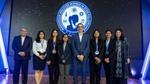
We are leveraging our scale and reach to drive inclusion across our workplaces, brands, supply chain, and communities. We also invest in our employees who in turn help build a culture of inclusion in our organisation. Our ED&I objectives align with UN's Sustainable Development Goals (SDGs).
Our ED&I Framework #BELONG
We believe in crafting a culture of inclusion, where every voice is cherished and heard. This means creating an inclusive environment, free from barriers that limit people from reaching their true potential.
Our ED&I framework #BELONG is crafted to create an inclusive culture rooted in a sense of belonging.
It begins with ’Brilliant Basics’, laying a solid foundation for understanding and respecting individual differences. ‘Evolving Gender’ emerges as a guiding light, transcending stereotypes and paving the way for equal opportunities and empowerment. ’Leadership’ takes centre stage, where diverse voices rise and shine, shaping a brighter tomorrow. The ‘Other Diverse Groups’ find their rightful place, celebrated for their uniqueness and cherished contributions. ‘Nation: Advocacy & Allyship’ stands tall, fostering unity and amplifying voices that call for change. Last but not least, the heartbeat of it all, ’Governance’, ensures these values thrive and flourish across every facet of the organisation.
Our brands embrace our ED&I vision and create impactful marketing that empowers the next generation to embrace a world free from prejudice and bias. We prioritise increasing the representation of diverse groups in our branding initiatives, ensuring our message resonates with a broad range of audiences.
Inclusion of PwDs
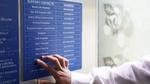
Our disabilities inclusion programme has been crafted to create an inclusive ecosystem anchored by four fundamental pillars: Acquisition, Awareness, Accommodation, and Accessibility. We embarked on our journey with a clear recognition of the underrepresentation of Persons with Disabilities (PwDs) in our workforce and harnessing the untapped talent pool.
Launched in 2022, SAKSHAM was an experiential learning program for PwDs that enabled employment opportunities across R&D, IT, Marketing, Supply Chain, HR, Legal, and Finance.
In 2024, we also established Enable, a dedicated employee resource group for our colleagues with disabilities to foster a supportive environment and address any PwD-related issues.
Our sites in Amli, Haridwar, and our R&D Centres in Mumbai and Bengaluru, as well as our Head Office, have been certified for accessibility. We also have two equitable policies for PwDs (Additional medical insurance and disability accommodation).
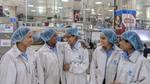
A peek into DEI at our factory in Kolkata, West Bengal
United with PRIDE
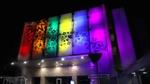
In our commitment to providing a safe environment for our LGBTQ+ employees, we have undertaken multiple measures such as gender-neutral washrooms, spousal benefits to same-sex partners, and a gender affirmation policy. We also have an LGBTQ+ and allies employee resource group, ProUd, to create awareness around LGBTQ+ issues and create a supportive environment.
Striving for gender balance
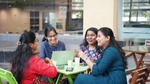
A decade of dedicated efforts to achieve a gender-balanced workforce has yielded results, propelling HUL’s managerial women representation from 19% in 2010 to 44% in 2025.
But the pursuit of equity doesn't stop there. We are steadfast in our ambition to increase women representation from the boardroom to the shopfloor.
Our women’s ERG, Womankind is a voluntary, employee led community focused on advancing gender inclusion by enabling women leaders to thrive at every stage of their leadership journey. The group creates trusted, psychologically safe spaces for learning, peer connection, and career development, with a strong focus on confidence, visibility, and leadership capability. Partnering closely with senior leaders, Womankind surfaces lived insights, pilots targeted initiatives, and strengthens the women leadership pipeline through mentoring, sponsorship, and community driven action.
Our programme Samavesh, trains and encourages women to join our shopfloor; HUL now has over 1,400 women employees on the shopfloor.
Another embodiment of this commitment is Project Ahilya; with a community of over 1,500 Ahilyas (Female Sales Representatives) in frontline sales roles.
We have also enrolled over 2 lakh women micro-entrepreneurs in villages across India under Project Shakti and equipped them to achieve financial independence, creating a ripple effect of empowerment and economic growth in rural India.
The World Economic Forum Gender Gap Report 2023 estimates a wait time of around 131 years to close the gender gap. By hiring top female talent across various work levels in our business and providing career development and mentorship opportunities we aim to help expedite the gap. Our initiatives include agile working arrangements, parental support, and return-to-work support through facilities like crèches, daycares and lactation rooms. Our inclusive approach also extends flexible working options, formal career breaks, and parental support to employees of all genders and sexual orientations.
44% representation of women at the managerial level (HUL including subsidiaries)
(6 items)
More on DEI in our ecosystem and broader societal impact
(1 of 6)
Promoting women in STEM
To address the persistent gender gap in STEM in India - particularly within Research & Development we) launched the Women in STEM Fellowship (WISF) in 2023. This flagship initiative has rapidly evolved into one of the most impactful industry–academia partnerships supporting women pursuing advanced research in STEM.
Aligned with the UN Sustainable Development Goals (SDGs), the fellowship addresses the longstanding underrepresentation of women in STEM through a combination of financial support, structured mentorship from global and India Unilever R&D leaders, access to Unilever sites, funding for international conferences, and leadership development opportunities.
As of 2025, the program supports 23 outstanding fellows in total, including 8 newly onboarded researchers in 2025 across IISc, NCBS–TIFR and IIT Madras. This marks a significant expansion of the initiative’s reach and long-term societal impact.
Looking ahead, the program is focused on expanding its reach, strengthening industry–academia partnerships, and creating more opportunities for young women to enter STEM, as part of its long-term vision for an inclusive and innovation-driven future.
(2 of 6)
Prioritising safety
At HUL, we are committed to making safety a top priority for women everywhere—whether it's in the workplace, public spaces, or the rural communities in which we operate. Through dedicated efforts to combat sexual harassment and gender-based violence, we strive to ensure that women feel secure and supported.
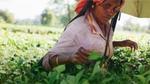
Empowering Women in Tea Estates
Under our social impact programmes, we aim to improve lives in India's tea supply chain. Safety is crucial for sustainable development. Tea employs about 1.2 million workers, 60% of whom are women. The sector faces women's human rights issues, similar to other agricultural value chains.
Women Safety Accelerator Fund
Launched in 2020 with Unilever and IDH, the Women’s Safety Accelerator Fund (WSAF) works to prevent violence against women and girls in India’s tea sector by strengthening community response systems. The programme has reached over 2.8 lakh+ tea workers—mainly women—across 291 estates, while engaging communities through awareness, skills, and digital‑led solutions for safety, livelihoods, and rights.
In the current phase of the program, we are also covering sexual and reproductive health and rights, digital financial literacy, livelihood opportunities and migration awareness to safeguard workers and their families from risks associated with unsafe migration.
The programme has also covered 5.7 lakh+ community members reached through awareness, outreach and behaviour change initiatives. The WSAF initiative demonstrates that addressing gender-based violence fosters gender equality, business resilience, and financial success, serving as a model for other sectors.

(3 of 6)
Equitable policies
Our suite of 20+ policies, addressing various life stages of an individual, promotes equitable opportunities and empowerment for everyone. These include but are not limited to career break policy, parental policy, flexible work arrangement, disability accommodation policy, and childcare support.
We constantly review our policies to ensure we continue to acknowledge and support our employees’ diverse needs. In 2024, we introduced a foster/kinship caregiver policy to support individuals with diverse familial arrangements, we enhanced our secondary caregiver leave and expanded our daycare tie-ups. In fact, all our parental policies – be it birth, adoptive, or surrogate - are gender-neutral, and same-sex partners are included wherever applicable. These initiatives reflect our dedication to providing essential support, enabling our employees to thrive both professionally and personally.
In 2020, we led the way by introducing India's first comprehensive, gender-neutral policy to support survivors of domestic and other abuse. This policy offers impacted employees with access to medical care and psychological counselling, paid leave, flexible work options, relocation support, and more. Along with this, we also launched the #Unmute campaign to raise our collective voice as an organisation to end the silence on domestic violence and spread awareness about safety at home, work, and public spaces. By encouraging self-disclosure and offering reasonable accommodation for employee support, we continue to empower individuals to speak up and seek help.

(4 of 6)
Emphasis on skilling and entrepreneurship
SAFAL
Our flagship livelihood initiative SAFAL has championed principles of equity, inclusivity, and diversity since 2022 through skilling and entrepreneurship. Along with our NGO and social sector partners, we have empowered 85,000+ women, prioritising their economic participation in the mainstream job roles and businesses.
Under skilling, we run Sales Pro Academy centres in partnership with the American India Foundation and the Centum Foundation, which also focus on skilling Persons with Disabilities. Such centres have been operating in Delhi, Chennai, Hyderabad, Mumbai, and Pune. In total, we have trained 18,000+ young women in frontline sales, making the sector more aspirational for youth.
A specialised skill development centre for PWDs has been operating in Mysuru in partnership with the Cheshire Disability Trust since 2022. We have equipped 700+ persons with disabilities with market-aligned vocational training and employment support. The programme also ensures timely sensitisation and training for employers to facilitate smooth onboarding for people with special needs. So far, we have sensitised 2,000+ employees across 35 companies.
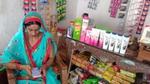
Didi ki Dukaan
As part of its entrepreneurship efforts, SAFAL has recently launched the Didi ki Dukaan initiative in Rajasthan, Jharkhand, and Odisha, strengthening women-led nano-retail businesses in rural India. In partnership with B-Able Foundation and Yuwaah-UNICEF, the initiative has trained 500+ women so far in financial literacy, digital tools, and business management, equipping them with the capabilities required to run a small retail enterprise independently. SAFAL is also helping existing women retailers in the urban areas of Bengaluru and Gurugram in partnership with Vrutii. Through credit facilitation, business formalisation, and the provision of social security benefits, the programme has benefited more than 400 retailers.
(5 of 6)
Developing a cadre of women micro-entrepreneurs
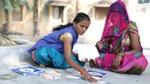
HUL’s project Shakti expands opportunities for women in rural India by empowering them to become micro-entrepreneurs. This initiative embodies HUL's philosophy of ‘Doing Well by Doing Good’ and focuses on financially empowering women. Project Shakti has empowered over 2,00,000 Shakti Ammas across 22 states, till date.
Our Rural Sales Promoters (RSPs) guide and support Shakti Ammas in managing their businesses, providing them with valuable coaching. The Shakti Ammas not only benefit from project Shakti financially, but they also see an elevation in their social status within their families and communities.
We upskill Shakti Ammas in various social and digital areas to keep them future-ready, including through our self-ordering retailer app, Shikhar, which is now used by more than 60% of Shakti Ammas.
Moreover, Shakti Ammas act as agents of social change by influencing practices related to nutrition and hygiene. They receive dedicated training on health and nutrition, enabling them to make a positive impact in their communities.
(6 of 6)
Focussing on holistic community development
Since its launch in 2013, Prabhat has empowered over 12 million people across 12 states and two union territories. This initiative focuses on livelihoods, environmental sustainability, and health and nutrition, addressing local community needs in line with India’s development agenda and the UN SDGs.
Through Prabhat’s efforts, over 1.6 lakh people have received skill development and training, while ~ 1 lakh people have secured employment.
Prabhat's goal is to foster sustainable communities around HUL sites through targeted interventions focusing on improving the quality of life for the communities. The programme’s 18 livelihood centres train women and youth in vocational skills and entrepreneurship development, preparing them for the future. The programme promotes inclusivity by engaging persons with disabilities, transgenders, and other vulnerable groups to create equal opportunities for everyone while helping individuals reach their full potential.