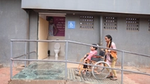
Inclusive design to leave no one behind
Suvidha Centres are accessible to all, with separate and specially designed facilities for women, children, and persons with disabilities, including ramps, handrails, and child-friendly amenities.
Unilever Hindustan Unilever Limited Change location


In line with the country’s goals on Swachh Bharat Mission that revolutionised urban sanitation and waste management in India, HUL launched the Suvidha Centre initiative in 2016 in partnership with the Brihanmumbai Municipal Corporation (BMC). With 25 centres operational today, Suvidha demonstrates HUL’s commitment to sustainability, innovation, and social responsibility. With the mission to foster an inclusive and equitable environment that embraces all genders, abilities, and diverse needs, Suvidha Centres have catalysed a transformative journey in community sanitation.
The Centres offer safe and dignified access to clean toilets, drinking water, showers and laundromat services to urban informal settlements in Mumbai. Today, Suvidha Centres cater to more than 6 lakh people and have saved 300 million litres of water cumulatively through water-saving technologies. There has been a 50% reduction in the incidences of illnesses like gastrointestinal, diarrhoea, and Urinary Tract Infection (UTIs) in Suvidha users.
The sustainability of the initiative can be gauged from the fact that all Suvidha Centres break even operationally within nine months of inception. The design principles on which Suvidha Centres are built, such as inclusivity, safety, environmental sustainability, financial operations and maintenance can be replicated for any public sanitation and hygiene facility.

One of the major challenges facing our world today is that of providing access to sanitation to all its people. As the world urbanises, many individuals move to cities in search of a livelihood. There are estimates that 1 in 4 people in the world will live in an informal urban settlement by 2030. Community Toilets present a practical alternative, especially where space constraints or lack of ownership rights make household toilets unfeasible.
However, Community Toilets frequently encounter a cycle of underutilisation driven by several factors: poor cleanliness leads to low user satisfaction and lack of ownership, which in turn results in reduced use, vandalism, and instability. These challenges directly impact the effective operation and maintenance of community sanitation services.

The Suvidha Centres aim to break the cycle of underutilisation by establishing a virtuous model rooted in a holistic, human-centered design. These Centres prioritise the safety of women and children and foster strong community partnerships. Through robust community engagement and efficient operational processes, Suvidha Centres deliver high user satisfaction and improved health outcomes. Notably, all Suvidha Centres in Mumbai are self-sustaining in their operations.
Suvidha Centres are accessible to all, with separate and specially designed facilities for women, children, and persons with disabilities, including ramps, handrails, and child-friendly amenities.

Enhanced security measures such as well-lit premises (night toilet facilities), CCTV cameras, security personnel, and panic buttons ensure safety.

Affordable services, especially laundry facilities and monthly toilet passes generate revenue, making each Centre self-sufficient within nine months.

Apart from community engagement before and during the construction of the Centre, an intensive community mobilisation program is also conducted to drive usage and a sense of ownership.

Through community-based organisations, HUL conducts an integrated behaviour change programme on health, sanitation and nutrition messages, especially engaging the women and children in the community.
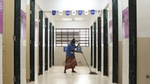
Our facilities are cleaned six times a day ensuring hygiene and comfort for all. Our strong operations teams are trained repeatedly.

Suvidha Centres provide paid employment opportunities with fair and livable wages to the community to run, clean and manage the Centres. The model currently employs over 200 people at any given point in time.

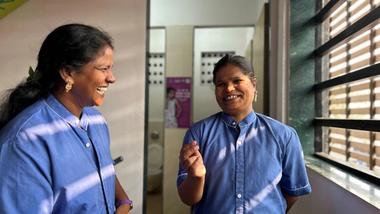
The model employs over 100 women. All Staff are hired locally, with fair wages, fostering dignity and sustainability.

All Centres are powered by solar energy, bringing energy costs down by 50%. Through rainwater harvesting and greywater treatment, the centres have saved over 300 million litres of water cumulatively till date, ensuring climate resilience.
The Suvidha Centre model is a public-private partnership with Brihanmumbai Municipal Corporation (BMC), HSBC India and JSW Foundation. While the Centres are co-funded by HSBC India and JSW Foundation, BMC provides expertise and unwavering support in the development and implementation of the Suvidha model, playing a critical role in shaping the model into an inclusive and impactful solution.
We have always believed that what is good for India is good for HUL. Suvidha, our social innovation model, brings that belief to life. By using deep consumer and operational insights, we have created a financially sustainable model that addresses the challenges of urban sanitation at scale. This successful journey has been shaped by strong and enduring partnerships with MoHUA, BMC, HSBC India and JSW Foundation, each playing a critical role in delivering systemic, transformative impact.
Priya Nair, CEO & MD, Hindustan Unilever Limited
Our partnership with HUL is a demonstration of what we can achieve together to combat the pressing problems of urban sanitation. We look forward to continuing our efforts across the water, hygiene and sanitation value chain and would like to thank all involved stakeholders for their efforts and drive in making a difference.
Hitendra Dave, CEO, HSBC India
Our partnership with HUL and the Brihanmumbai Municipal Corporation to establish 10 state-of-the-art Suvidha centres in Mumbai reiterates our commitment to empower local communities and pave the way for a brighter future, particularly for women and children. Through this partnership with HUL, we are fostering a collective social action to further expand the network of Suvidha centres in the city with the aim to provide fresh drinking water and other sanitation services to low-income communities residing in Mumbai city.
Sangita Jindal, Chairperson, JSW Foundation
Through its inclusive design and sustainable operations, the Suvidha Centre initiative has had a transformative impact on the communities it serves, improving health, safety, and overall well-being.

6 lakh+ people use our Suvidha Centres annually. Suvidha services have recorded 10 Crore+ cumulative service uses since inception (2016).

98% of women believe Suvidha is safe for them and their children.

50% reduction in reported incidence of Diarrhoea & UTIs among Suvidha users.

90% of Suvidha users report positive effect on self-esteem.
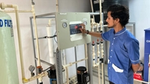
Suvidha Centres are solar-powered and have saved 300 million litres of water cumulatively through water-saving technologies.

The estimated return on investment for time saved by using Suvidha Centre services is ₹15 for every rupee invested in the centres.
These outcomes highlight the success of Suvidha Centres in promoting safety, health, and sustainability within urban communities.
A recent study by Dalberg Advisors (2025) also highlights the transformative impact of Suvidha's multi-faceted approach on building climate resilience across its communities (especially women). Suvidha bolsters climate-resilient sanitation systems and reduces community exposure to risk and hazards. The model, further, empowers its communities to tackle climate change while addressing vulnerability, thereby fostering circularity, sustainability, and inclusivity.
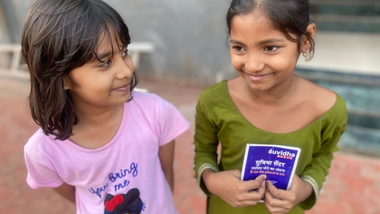
Suvidha has also gained recognition as a case study by esteemed organisations such as the World Economic Forum, Harvard Kennedy School and was also featured at COP28. Through a strategic partnership with the Ministry of Housing & Urban Affairs (MoHUA), HUL is expanding Suvidha's impact to other cities.









PPP Model: The operational model is built on a strong public-private partnership. BMC provides land and regulatory approvals, HUL, HSBC India and JSW Foundation co-fund the project. United Way Mumbai and Pratha Samajik Sanstha manage daily operations and community engagement, while EY strengthens governance.
Social innovation is the process of developing and deploying effective solutions to challenging, often systemic, social and environmental issues to support social progress. Solutions often require the active collaboration of government, business, and non-profits. World over, community sanitation models struggle to recover revenue to maintain clean facilities. Suvidha is inclusively designed and brings multiple services under one roof. The centres are run by women-led teams, fostering trust and ownership, and are built for climate resilience. Suvidha also runs on a strong public – private partnership.
Suvidha has seen a strong impact on both health and livelihood outcomes. 98% women users consider the centres safe for themselves and their children. Users report a 50% reduction in diarrhoeal disease and <1% urinary tract infections. Households using Suvidha unlock over ₹33,500 in disposable income annually by saving time and avoiding medical costs. This has also translated into better mental well-being, with 90% Suvidha users reporting improved self-esteem. In addition, 94% of users reported uninterrupted access during extreme weather events, including floods and heatwaves.[a]
A Dalberg climate assessment (2025) that uses the UN-IPCC framework confirms that Suvidha measurably reduces community exposure to climate hazards. Each centre runs on rooftop solar, treats greywater and operates 24/7, especially through emergencies. These design features ensure reliable access to essential hygiene services, particularly during periods of extreme heat and water stress, while reducing community vulnerability to climate impacts. Moreover, Suvidha Users save up to Rs. 33,500 annually in disposable income, improving their ability to deal with any emergencies.
Centre for Hygiene and Sanitation Excellence. HUL has partnered with the Ministry of Housing and Urban Affairs (MoHUA) to codify and scale Suvidha's playbook operating standards, design principles, partnership architecture, and replicate across Indian cities. The centre will serve as a forum for knowledge exchange, bringing together experts from across the public and private sectors.
Independent impact assessments conducted by RTI (2022), Deloitte Touche Tohmatsu India LLP (2024), and Dalberg Advisors (2025)
Have you got a few minutes to complete a survey? We would love to hear about your experience using Hindustan Unilever Limited.