

India’s growth story is increasingly rural. young, and shaped by women. Nearly 65% of the country’s population lives in rural areas, and women account for almost half of that demographic. Over the past few years, female labour force participation in rural India has improved significantly, yet the gap between potential and participation remains substantial.
Structural barriers continue to influence how and whether women enter the workforce. Limited access to mobility, rigid working hours, caregiving responsibilities, restricted access to finance, and the absence of local role models often narrow the pathways available. While remote work, gig roles, and formal employment offer opportunities for some, many rural women require livelihood options rooted within their own communities.
At HUL, our purpose reaches into the fabric of communities where people live, work, and aspire. Their empowerment accelerates social progress, enriches rural and urban markets, and deepens the resilience of India’s growth story.
Across the country, from villages to rural markets to corporate sales forces, HUL is supporting women in expanding their horizons. Through long-standing programmes and new accelerators, we are creating pathways for women to participate more fully in India’s economic progress.
SAFAL: Skills and inclusion for broader livelihoods
Our Skills Academy for Advancement of Livelihoods (SAFAL) supports India’s broader employability ecosystem by equipping individuals with skills that matter in today’s economy. Through SAFAL, thousands of people, including women and youth, gain access to skill development, entrepreneurship training, and inclusive livelihood programmes across more than 20 states. SAFAL is helping forge a workforce that is skilled, confident and ready to participate in formal and informal economic opportunities.

Project Shakti: Community-led entrepreneurship
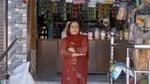
Project Shakti remains one of our flagship livelihood initiatives, designed to empower women in rural India as entrepreneurs and influencers within their own communities. Over two decades, it has enabled more than 2,00,000 women to operate as independent micro-entrepreneurs, known as Shakti Ammas, selling essential products and building confidence, communication skills, and financial independence. Beyond income, the programme fosters an entrepreneurial mindset that ripples through villages, empowering women to drive social and economic change at the grassroots level.
Expanding frontline opportunities with Project Ahilya
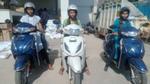
Diversity and inclusion at HUL are lived values, as reflected in Project Ahilya, which expands opportunities for women in traditionally male-dominated roles. By bringing women into frontline sales and other operational functions, Ahilya strengthens representation across our value chain and broadens the scope of careers available to women. These diverse pathways enrich HUL’s workplace and reinforce our commitment to gender parity throughout every layer of the organisation.
Going from inclusion to equal opportunity with Samavesh
Another dimension of our work on inclusion is Samavesh, an initiative focused on improving women’s participation not only in our workforce but across operational roles such as factory shop floors. Samavesh has helped expand representation of women across manufacturing operations, with over 850 women employed directly on shopfloors at HUL sites. This focus extends the boundary of livelihood opportunity from rural and marketplace entrepreneurship into core industrial participation, reinforcing a holistic view of economic inclusion.

Prabhat: Holistic community development
Prabhat is HUL’s multi-dimensional approach to community development, which integrates livelihoods with health, nutrition, and environmental sustainability. It reaches millions of lives around our manufacturing and depot sites in India, with targeted skill development efforts, employment generation, and inclusive economic activities. Through Prabhat, women and families gain access to opportunities that strengthen both immediate well-being and long-term resilience.
Women in water leadership through Hindustan Unilever Foundation (HUF)
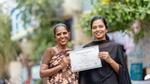
HUF strengthens women’s economic and social participation by placing them at the centre of community action on water and agriculture. Through targeted training, women become para-professionals, frontline leaders, and advocates for water governance, equipped with technical skills, digital tools, and the confidence to make informed decisions that shape local resource management. HUF also supports women farmers in moving from vulnerability to resilient, sustainable agriculture and allied livelihoods, ensuring equitable access to knowledge, markets, and institutions. By prioritising women’s leadership and intervention, HUF helps advance water security while expanding economic opportunities at the grassroots level.
Progress beyond programmes
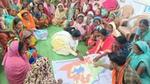
These initiatives sit alongside broader commitments within our own organisation. Across management, operations, and the value chain, women’s representation is increasing through targeted policies and development programmes. Recognition as one of India’s Best Organisations for Women in 2024 by The Economic Times reflects this ongoing effort to build a culture where women can succeed and lead.
A long-term inclusive vision
Empowering women remains a strategic pillar for both social impact and business sustainability. When women are skilled, safe, connected to markets, and supported to lead, the effect is transformative for households, for communities, and for India’s economy. HUL’s interventions exemplify how long-term commitment, collaboration, and alignment with societal needs can expand opportunities and unlock potential across millions of lives.