
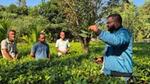
India’s tea sector is undergoing a structural shift. Small Tea Growers now contribute a significant share of the country’s tea production, particularly in regions such as Assam. Their farms power the supply chain, yet they also face rising complexity, from evolving regulatory requirements to climate variability and shifting quality expectations.
At Hindustan Unilever, strengthening this smallholder ecosystem is central to our approach to responsible sourcing and long-term resilience.
TeaNext 2.0
TeaNext is a step towards ensuring sustainability of the Small Tea Growers’ produce in the supply chain. It reflects our long-term commitment to responsible sourcing and inclusive growth in India's tea ecosystem. We are equipping smallholder farmers with the knowledge and tools needed to sustain their livelihoods and strengthen the integrity of tea value chain.
TeaNext 2.0 builds on earlier engagements with Small Holder Farmers (SFHs) communities and reinforces a collaborative approach among industry, trustea and SHFs to address systemic challenges in the sector. The TeaNext program started in 2025 and is being implemented in the Dibrugarh and Tinsukia Districts of Assam, encompassing 14 Bought Leaf Factories with 4,900 small tea growers. It is a medium-term program which is likely to cover about 50,000 STGs (Small Tea Growers) by 2030.
The program objectives are to improve the quality of green leaf in STG farms, ensure regulatory compliance with pesticide and residue regulations, and introduce and encourage the adoption of Regenerative Agriculture practices.
Through our TeaNext platform, we are working alongside growers, Bought Leaf Factories, and industry institutions to build capability where it matters most – at the farm level.
Small tea growers are vital to shaping the future of India’s tea industry. Our focus is on enabling farmers and Bought Leaf Factories to meet evolving quality, sustainability and regulatory expectations, while improving productivity and resilience at the farm level.
Ishpreet Singh, Vice President-Beverage, HUL
Building capability across the value chain
TeaNext 2.0 is designed as a structured engagement model focused on three interconnected priorities: green leaf quality, regulatory compliance, and regenerative agricultural practices.
Improving leaf quality begins with strengthening foundational practices. Guidance on pruning cycles, plucking standards, and the adoption of good agricultural practices supports consistency in green leaf production. Higher quality inputs enhance value for growers and improve reliability across the supply chain.
Compliance has also become more demanding. With increasing scrutiny around Maximum Residue Limits and food safety standards, growers and factories require clear technical guidance. Through expert-led training and demonstrations of Integrated Pest Management practices, TeaNext helps farmers comply with Plant Protection Codes and Pre-Harvest Interval requirements while reducing reliance on chemical interventions.
Regenerative agriculture forms the third pillar. Soil health, biodiversity, and climate resilience are critical to sustaining yields over time. By introducing tea-specific regenerative approaches, the programme supports long-term farm productivity while strengthening environmental stewardship.
A collaborative approach
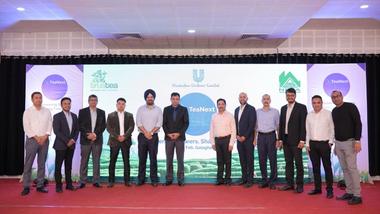
The complexity of today’s tea landscape calls for collective action. TeaNext brings together growers, Bought Leaf Factories, sustainability institutions, and industry bodies to address systemic challenges. Partnerships with organisations such as the North Eastern Tea Association (NETA) and the Trustea Sustainable Tea Foundation (TSTF) help ensure that knowledge transfer is practical, locally relevant and grounded in on-field realities.
This collaborative model recognises that productivity, sustainability, and compliance are deeply interconnected. Improvements in one area reinforce the others, creating a more stable and competitive ecosystem for smallholders.
From engagement to long-term resilience
For HUL, TeaNext reflects a broader sourcing philosophy. Responsible growth depends on resilient supply chains, and resilient supply chains depend on capable producers. Investing in farmer capability strengthens quality, protects livelihoods, and supports the integrity of India’s tea value chain.
Through structured platforms such as TeaNext, we are working to ensure that India’s tea ecosystem remains competitive, compliant, and future-ready, anchored in collaboration and shared progress.