

Across India, natural ecosystems are under increasing stress even as the country remains one of the most biodiverse places on Earth. India harbours nearly 8% of global flora and about 7.5% of global fauna, with a high proportion of species found nowhere else on the planet. However, assessments of available data show that among the species evaluated so far, more than 13% of India’s fauna and flora are classified as threatened with extinction, underscoring the urgent need for accelerated conservation action and more comprehensive species assessments.
Introducing AWANI – Action for Wildlife and Nature in India

AWANI is a platform dedicated to protecting and restoring ecosystems. Derived from Sanskrit, Awani (also spelt as Avani) means Earth, symbolising the reverence ancient Indian civilizations held for nature and its foundational role in sustaining life.
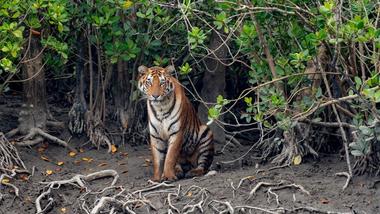
A platform for restoration
India is home to some of the world’s richest biodiversity zones, where wildlife, forests, rivers, and communities coexist. AWANI focuses on ecosystems recognised as national biodiversity hotspots, particularly those that intersect with our operating footprint—ensuring conservation is continuous, not short-term.
Initial priority landscapes include:
Indian Himalayan Region
Fragile high-altitude forests and wildlife corridors.
Sundarbans
One of the world’s largest mangrove ecosystems and a frontline against climate volatility.
Western Ghats
A global biodiversity hotspot supporting thousands of unique species.
In each landscape, our goal is simple: restore ecosystems so nature and communities thrive together.
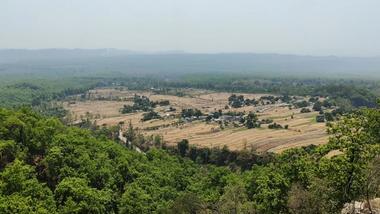
Collaboration at the core
The biodiversity crisis is systemic; progress demands collective action. AWANI is built on partnerships with scientific institutions, NGOs, and community organisations.
We’ve partnered with Dasra to anchor this approach, alongside organisations such as The Corbett Foundation, Nature Environment and Wildlife Society, and Keystone Foundation—each bringing deep ecological and cultural knowledge.
Rather than creating parallel systems, AWANI strengthens local governance, skills, and stewardship—ensuring restoration continues long after initial programs conclude. This collaborative approach aligns with India’s National Biodiversity Strategy and Action Plan (NBSAP) 2024.
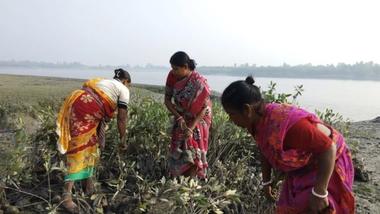
Why it matters to us
Healthy landscapes support healthy communities. When forests, wetlands, and grasslands function well, they regulate rainfall, protect soils, strengthen local water systems, and sustain pollinators and biodiversity that rural livelihoods depend on. These ecological functions shape food security, economic stability, and the resilience of the people who live closest to nature.
AWANI is designed with this interdependence in mind. By restoring priority landscapes, we help strengthen the natural systems that communities rely on for income, nutrition, and long-term well-being. As ecosystems recover, the benefits flow outward: communities gain greater stability, local economies become more resilient, and the landscapes that sustain both people and production grow stronger over time.
A shared future
AWANI reflects a commitment to growth that does not come at the cost of ecosystems and progress that strengthens communities rather than leaving them vulnerable. It embodies our belief that when nature thrives, people thrive—and that resilience lies in restoring balance.
AWANI is one step in a broader journey toward a future where development and ecology are not opposing choices, but shared priorities.