
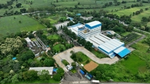
A milestone in responsible water management
Water is a shared resource that supports people, ecosystems, agriculture and industry. Managing it responsibly requires action inside factory operations and collaboration with the communities that depend on the same water resources.
Hindustan Unilever Limited’s Chhindwara factory has marked an important milestone by achieving the Alliance for Water Stewardship (AWS) Platinum certification in FY 2024–25. The recognition reflects the site’s sustained focus on water stewardship across its operations and in the surrounding communities.
Reducing water use within the factory
At the site level, Chhindwara has taken focused steps to reduce water use and improve long-term water resilience. The factory has achieved an approximately 50% reduction in specific water consumption compared with its 2020 baseline.
This progress has been driven by efficient cleaning and gardening practices, installation of rainwater harvesting pits, regular audits, improved WASH infrastructure and stronger water governance.
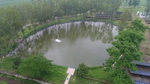
A key intervention is the 15,000 KL rainwater harvesting pond within the factory premises. The pond now helps meet approximately 75% of the factory’s annual water requirement, reducing dependence on groundwater and strengthening the site’s water security.
Creating shared value beyond the factory
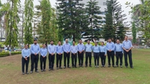
Water stewardship is most effective when it strengthens the wider ecosystem. Around Chhindwara, HUL works through Prabhat, its sustainable community development programme, and the Hindustan Unilever Foundation to support water conservation, sustainable agriculture and community engagement.
These efforts have contributed to creating water conservation potential of approximately 1.631 billion litres through the construction and restoration of water infrastructure. The programme has also supported improved agricultural practices across approximately 22,639 hectares.
Farmer awareness sessions, water quality monitoring and WASH initiatives in schools have helped deepen community participation and support more responsible use of shared water resources.
Continuing the water stewardship journey
The Chhindwara factory has also successfully completed the AWS surveillance audit in FY 2025–26, demonstrating continued adherence to global water stewardship standards.
The achievement is not an end point. It reflects an ongoing commitment to responsible operations, local partnerships and water resilience that benefit both the factory and the communities around it.
As water challenges become more complex, Chhindwara’s journey shows how focused action within a manufacturing site, combined with community-led work beyond the factory gates, can help build a more water-secure future.
Water stewardship in HUL's manufacturing network

Our Hosur factory has also achieved AWS Platinum Certification, reflecting its strong focus on water conservation, operational efficiency, and community water resilience.
Since 2020, the Hosur factory has reduced its specific water consumption by 42% through a combination of innovative water conservation measures and process improvements. These include a zero liquid discharge system, which enables 100% reuse of treated effluent water, reuse of process condensate water within manufacturing operations, and the installation of a thermic fluid heater that has reduced steam consumption by approximately 40%, contributing to lower overall water use.
Beyond the factory gates, Hosur's water stewardship efforts have been supported through Prabhat, HUL's sustainable community development programme, and the Hindustan Unilever Foundation. Together, these initiatives have created a water savings potential of 0.0052 billion litres through the conservation, restoration and rejuvenation of water bodies, while agricultural interventions have contributed an additional 0.27 billion litres in water savings. The programme has also encouraged community participation through farmer awareness sessions, water quality monitoring, and tree plantation drives.
Like Chhindwara, the Hosur factory successfully completed its AWS certification audit in FY 2025-26, demonstrating continued adherence to globally recognised water stewardship standards. These achievements underline HUL's commitment to building water resilience not only within its operations but also in the communities and ecosystems connected to them.
Frequently Asked Questions
What is AWS Certification?
AWS Certification refers to certification under the Alliance for Water Stewardship Standard, a globally recognised framework for responsible water management. It evaluates how a site uses water, protects water quality, strengthens water governance and works with local stakeholders to support shared water resources.
What does AWS Platinum Certification mean?
AWS Platinum Certification is the highest level of recognition under the AWS framework. It indicates strong performance in water stewardship, including water balance, water quality, governance, WASH, stakeholder engagement and responsible management of shared water resources.
Why is water stewardship important?
Water stewardship goes beyond reducing water use within a factory. It focuses on managing water responsibly in a way that supports operations, communities and local ecosystems, while helping improve long-term water security.